
S&P Falls in Line with Other Rating Agencies on China: A Reflection of China’s Problems But A Spark for the BRICS Rating Agency Ambitions
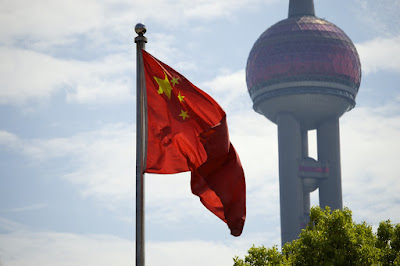
Today’s post reacts to the news today that Standard & Poor’s (S&P) have finally fallen in line with the other members of the rating oligopoly (Moody’s and Fitch) in downgrading China’s sovereign debt rating to A+, which puts it one category below the U.S. The reason for this, according to S&P, is that the growing credit bubble in China is systematically reducing financial stability in the country, which seems to confirm fears that recent moves by the Chinese Government to limit the growth of that particular bubble have not taken hold. However, with the BRICS nations calling for the development of their own major rating agency, the news that some analysts suggest that things are moving in the right direction in China despite the recent downgrade may accelerate the plans of the BRICS nations so that the pace of agency development falls in line with the wishes of the Indian Prime Minister who recently made loud calls for an acceleration in that regard. In this post, then, ...
