Posts

Showing posts with the label Railways

Potential Railway Reforms Raise Issues
Image
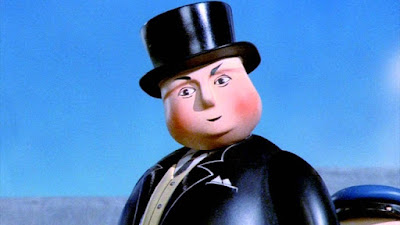
The issue of the British Railway system has taken up a few posts here in Financial Regulation Matters , with the majority being concerned with developments with the HS2 project . However, in relation to yesterday’s post on the concept of ‘capture’, this post will examine a suite of potential reforms that are heading towards the British Railway. In examining the proposals put forward to Government recently, we will look at this potential issue of developing an ‘arms-length’ body or entity, and also the effect of the proposals, which has been to completely ignore the question of nationalisation. The Government have commissioned a review of the rail system, to be undertaken by former British Airways CEO Keith Williams. This week the first signs of the reform proposals have been released and there are a number of issues the Williams’ Review intends to tackle. The main issue that has been picked up by the media is that a ‘ Fat Controller type figure would be key for regaining public...
The Impact of HS2 Continues to Grow

Image
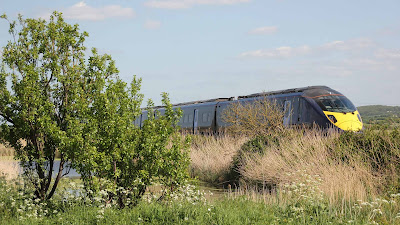
Today’s post focuses on the HS2 rail system that is being developed in the UK, with the aim of linking some its major cities together more than ever before. We have discussed the HS2 project before here in Financial Regulation Matters, with a guest post from Teny Kuti here and an earlier post here . However, whilst the title of the post suggests that the impact of the project continues to ‘grow’, it is this concept of ‘growth’ that is the focus of the post – the environmental damage of the project is continuing to develop at an alarming pace and as recent news suggests, this project will leave a lasting mark on the British environment. This will lead us to question whether there is anything that can outrank money and its creation, as the project continues to demonstrate everything that is negative about that concept. Speaking in October last year, a spokesperson for the HS2 Ltd Company, which is government-owned, stated that ‘ we’re designing a railway that will reshape the eco...

GUEST POST - High Speed Rail 2 and it’s various effects on the Country

Image
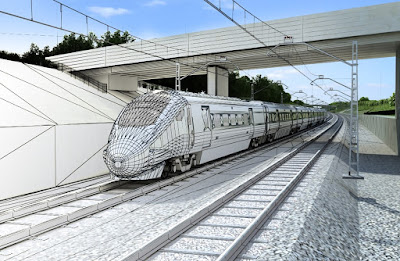
Today’s post is a guest post from Teny Kuti, a first-year student in Aston University’s Law School. The post discusses the various effects of the forthcoming HS2 high-speed rail link, as well as some of the potential consequences moving forward. Please follow Teny via Twitter here , and his own blog The Whole Spectrum for an interesting take on a number of different issues, ranging from politics to business. Frequently described as the most substantial rail project ever built in the UK set to open in 2026, High speed rail 2 will form a high-speed link between Birmingham and London, reducing the travel time to 49 minutes. However, the project has never been shy of controversy. Since the HS2 received Government approval in 2012, it has seen strong opposition from those who would lose their homes on the current plans and indeed, HS2 Ltd has claimed that 1,740 buildings would be destroyed by the rail line, with nearly 900 being homes. Now with the recent developments such as the C...

Guest Post - Back on Track or Heading for a Derailment: The British Railway System

Image
In today’s guest post, Jake Richardson discusses the potential future of the British rail network, both in advance of the changes that Brexit may bring, and also based upon the historical trends within the industry. The British railway system has indeed been through some massive restructuring exercises throughout its history. Post-World War One and the Victorian era of Britain’s steam railway revolution, all private companies were rationalised into the ‘Big Four’ predominant companies under The Railways Act 1921, which included Great Western Railway (GWR), London, Midland and Scottish Railways (LMS), London and North Eastern Railway (LNER) and Southern Railway (SR). However, post-World War Two, the railways were once again run into the ground, meaning post-war nationalisation was inevitable and the British Railways, latterly known as British Rail, came into action through the enactment of The Transport Act 1947. For nearly fifty years the nationalised railway system, which was o...