Posts

Showing posts with the label Credit

The Continuing Struggle with Debt: Focusing on the Real Stories

Image
Here in Financial Regulation Matters we have looked at the issue of personal debt before, with posts ranging from the ever-growing crisis to the predatory lending that exists within the sector. In today’s post, we will be looking at the figures that have been released by a blog for Bank of England (BoE) staff – it is not a usual blog, but a vehicle for BoE staff to openly discuss certain policies and aspects that affect policies – that describe how the situation for everyday consumers is a cyclical, almost hopeless process that many stay trapped in for decades. This analysis will be counteracted by the news stories that receive plenty of attention in the media, with the aim being to illustrate how consumer confidence is almost enshrined within the modus operandi of the system , even in the face of opposing, and often devastating facts. The news has been awash recently with stories about consumers operating more shrewdly in the credit markets (in relation to switching between...
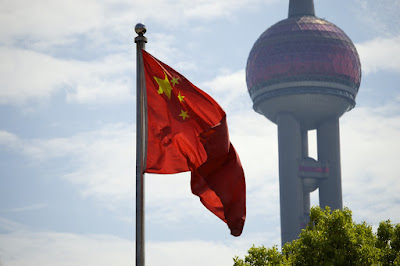

S&P Falls in Line with Other Rating Agencies on China: A Reflection of China’s Problems But A Spark for the BRICS Rating Agency Ambitions

Image
Today’s post reacts to the news today that Standard & Poor’s (S&P) have finally fallen in line with the other members of the rating oligopoly (Moody’s and Fitch) in downgrading China’s sovereign debt rating to A+, which puts it one category below the U.S. The reason for this, according to S&P, is that the growing credit bubble in China is systematically reducing financial stability in the country, which seems to confirm fears that recent moves by the Chinese Government to limit the growth of that particular bubble have not taken hold. However, with the BRICS nations calling for the development of their own major rating agency, the news that some analysts suggest that things are moving in the right direction in China despite the recent downgrade may accelerate the plans of the BRICS nations so that the pace of agency development falls in line with the wishes of the Indian Prime Minister who recently made loud calls for an acceleration in that regard. In this post, then, ...

The Bank of England Issues Yet Another Warning on the Credit Bubble

Image
Today’s post reacts to the latest warning from the Bank of England regarding the ever-growing credit bubble, something which we have reviewed on a number of occasions here in Financial Regulation Matters . In addition to the previous warnings regarding the expansion of markets like the ‘Personal Contract Purchasing’ (PCP) market for cars, the Bank of England is now threatening even more regulatory supervision for credit lenders, which has been met with clear opposition from the marketplace. So, this post will look at these developments and continue to assess the likely causes and outcomes of this pressing issue. On this occasion it was the turn of the Bank’s Director for Financial Stability, Alex Brazier, to address the issue of the growing credit bubble. In a speech to the University of Liverpool’s Institute for Risk and Uncertainty, Brazier commented that household debt is a truly systemic threat and that ‘ the spiral continues, and borrowers rack up more and more debt. Lend...

Trump’s Destruction of Post-Crisis Regulation Begins to Take Shape

Image
Today’s post reacts to the recent report put forward by the U.S. Department of the Treasury entitled ‘ A Financial System That Creates Economic Opportunities: Banks and Credit Unions ’, which represents the aim of the Trump Administration to ‘ do a big number on Dodd-Frank ’. The headline effect of the report, namely the proposed circumvention of the Consumer Financial Protection Bureau (CFPB) on the basis that ‘ the CFPB’s approach to enforcement and rulemaking has hindered consumer choice and access to credit, limited innovation, and imposed undue compliance burdens ’, will no doubt be the key issue with regards to the fallout of this contentious report. For this post, we will assess the report and the underlying sentiment, and then position this understanding within a wider picture of the ‘amnesia’ that is taking hold despite a number of globalised warnings regarding the ability of the system to withstand any more shocks so close to the last Crisis. The Treasury report is th...